Exotic pets
Rabbits, ferrets, guinea pigs and small rodents, birds, tortoises and turtles, snakes and lizards. They are delicate animals: they hide signs of illness for a long time and suffer from stress and changes in temperature. That's why the visit needs good preparation, starting with the journey.
How to bring them to the clinic
Rabbits, guinea pigs and small rodents
A rigid, well-ventilated carrier with their hay and some of their usual food. They should never be left without food, not even before surgery, unless the vet specifically asks. Protect them from heat: they can suffer from as little as 25 °C.
Ferrets
A securely closed carrier, as they are expert escape artists, with a blanket to hide in. If you hold them in the waiting room, use a harness, not a collar.
Birds
A carrier or small cage covered with a light cloth to reduce stress. Remove swings, toys and the water bowl, which can injure or soak them during the journey. In winter, protect them from cold and draughts.
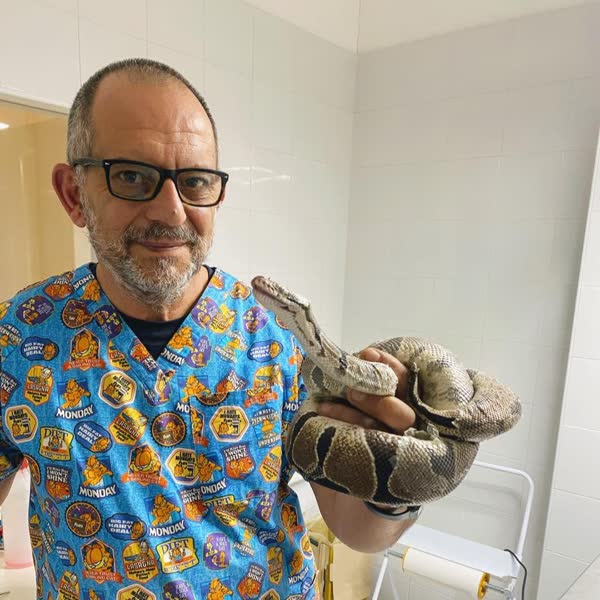
Snakes
- Place the snake in a clean cloth bag (a pillowcase is fine), with no holes or loose threads, and close the opening securely with a knot or a tie.
- Put the bag in a rigid plastic box with small air holes, a lid that closes securely and a towel on the bottom.
- In winter, put the box inside an insulated bag. Next to the box, not on top or underneath, add a bottle of warm water wrapped in a towel: this keeps the snake warm without burning it.
- In summer, never leave it in a car in the sun, not even for a few minutes.
If you can, don't feed it in the two days before the journey: it might regurgitate.
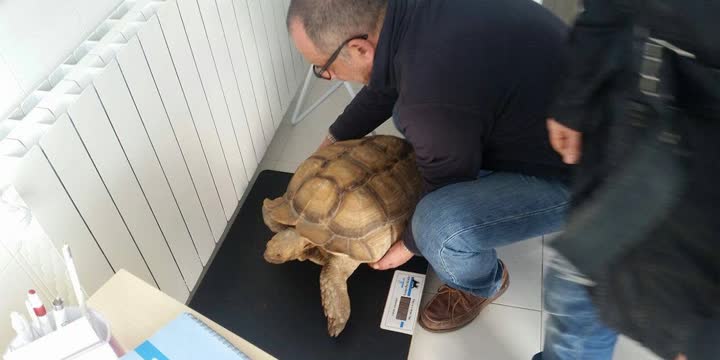
Tortoises, turtles and lizards
A rigid box with small air holes, a lid and a towel on the bottom. In winter keep them warm as for snakes: insulated bag and a warm bottle wrapped in a towel, placed next to the box. Aquatic turtles travel on a damp cloth, not in water: during the journey the water cools down and sloshes around.
What to bring and what to tell the vet
- A photo of the cage or terrarium, with lamps, heating and substrate: for an exotic pet the environment matters as much as the treatment
- What it eats, how much and any supplements it takes
- For reptiles, the terrarium temperatures and the type of UVB lamp, with the date it was last replaced
- If you can, a fresh stool sample in a clean container
- How long it has lived with you and when you first noticed the problem
When you book, always mention the species: an exotic pet visit takes longer and needs specific preparation. A rabbit or small exotic pet that hasn't eaten or passed droppings for more than 12 hours is an emergency: call straight away.