Check-ups and prevention
Routine visits, vaccinations and check-ups for dogs, cats and exotic pets.
Veterinarian · Cisternino, Puglia
Caring for dogs, cats and exotic pets. And for the people who love them.
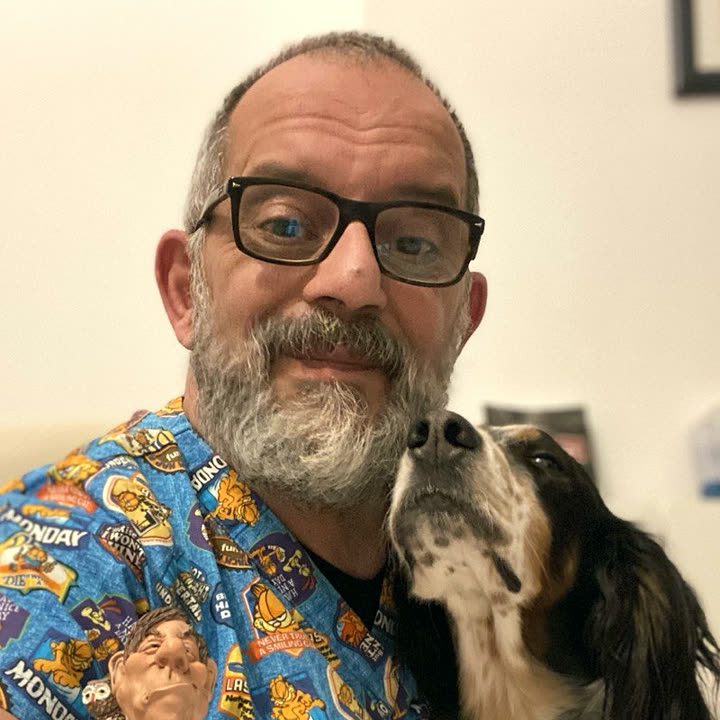

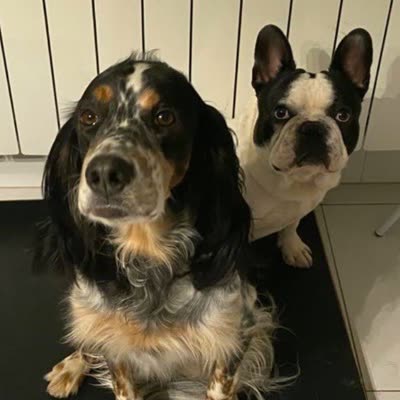
Gianfranco Loparco graduated in Veterinary Medicine from the University of Bari. At his clinic in Cisternino he treats dogs, cats and exotic animals.
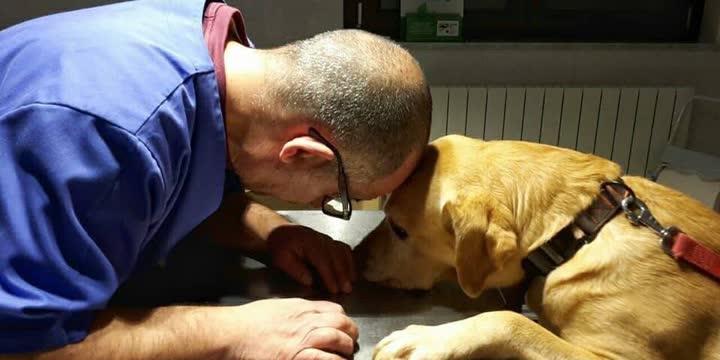
He knows that behind every animal there is a worried family. That's why he gives each visit the time it needs: he calmly explains what is happening and stays with you every step of the way, even when treatment takes a long time. And he is patient with the less relaxed patients, too.
Many families have trusted him for more than twenty years. Others met him while on holiday, at a difficult moment, and came back.
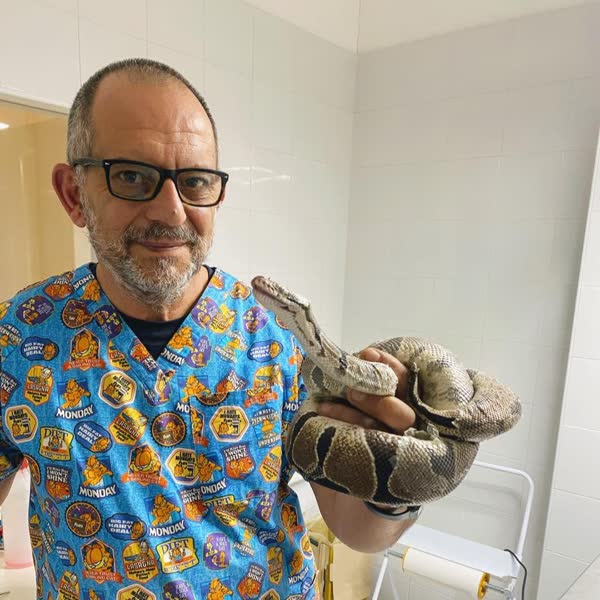
Dogs, cats and exotics: faces, paws, feathers and scales that have passed through the clinic.
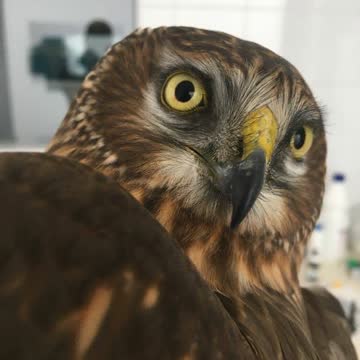
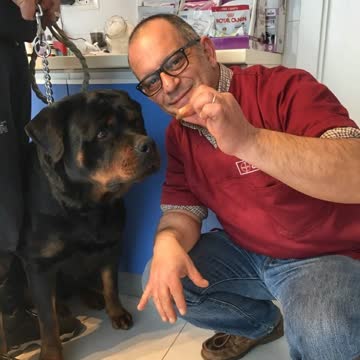
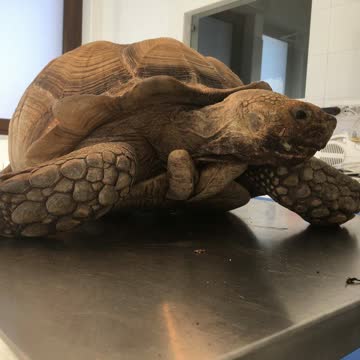
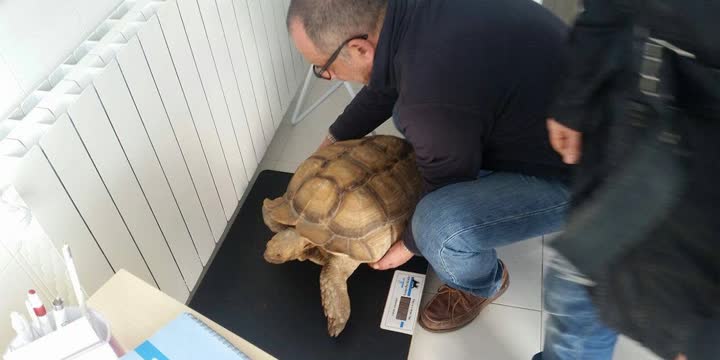
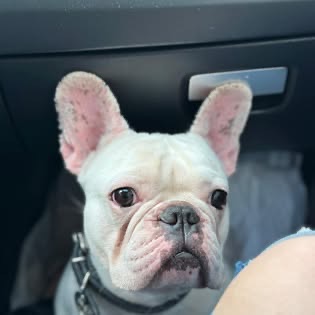
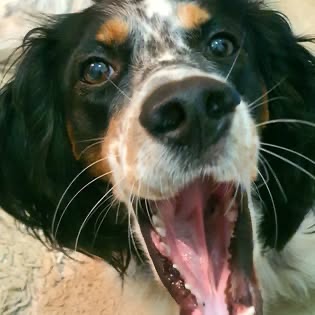
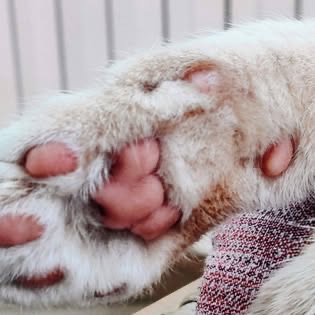
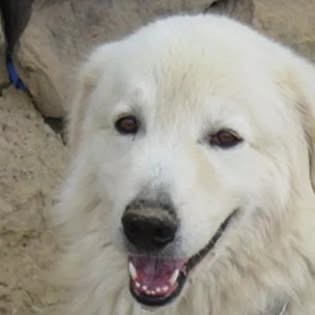
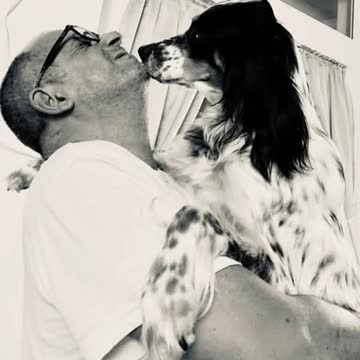
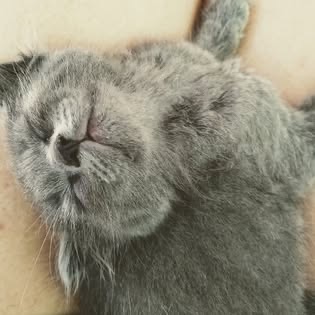
Routine visits, vaccinations and check-ups for dogs, cats and exotic pets.
Surgery and neutering under general anaesthesia, with special care for a calm recovery.
X-rays, ultrasound, endoscopy, laboratory tests, allergy and intolerance testing, specialist consultations: all by appointment. All services
When needed, he can also follow treatment at home, so your pet stays in familiar surroundings. Whether this is possible depends on the situation: you'll decide together case by case.
Microchipping and registration with the pet registry, compulsory in Puglia for dogs and cats, and everything you need for the pet passport. Getting ready to travel
Emergencies don't follow the calendar. Even at weekends he sees patients by appointment: just call.
To understand what's wrong with your pet, you need the right tools. At the clinic you'll find a wide range of diagnostic and specialist services, without having to go from one place to another.
To examine bones, joints, chest and abdomen.
A quick and painless way to look at internal organs.
A small camera to explore the digestive and respiratory tract from the inside.
All kinds of tests: blood, urine, faeces and much more.
To find out what is causing itching, skin problems or digestive troubles.
Orthopaedics, cardiology, ophthalmology, neurology and other specialties.
A calm visit starts at home. A few simple rules help your pet arrive relaxed and keep the waiting room a safe place for everyone, animals and people alike.
Rabbits, ferrets, guinea pigs and small rodents, birds, tortoises and turtles, snakes and lizards: the vet looks after them too. They are delicate animals that tend to hide signs of illness for a long time and suffer a lot from stress and changes in temperature. That's why the visit needs good preparation, starting with the journey.
A rigid, well-ventilated carrier with their hay and some of their usual food. They should never be left without food, not even before surgery, unless the vet specifically asks. Protect them from heat: they can suffer from as little as 25 °C.
A securely closed carrier, as they are expert escape artists, with a blanket to hide in. If you hold them in the waiting room, use a harness, not a collar.
A carrier or small cage covered with a light cloth to reduce stress. Remove swings, toys and the water bowl, which can injure or soak them during the journey. In winter, protect them from cold and draughts.
If you can, don't feed it in the two days before the journey: it might regurgitate.
A rigid box with small air holes, a lid and a towel on the bottom. In winter keep them warm as for snakes: insulated bag and a warm bottle wrapped in a towel, placed next to the box. Aquatic turtles travel on a damp cloth, not in water: during the journey the water cools down and sloshes around.
When you book, always mention the species: an exotic pet visit takes longer and needs specific preparation. And remember: a rabbit or small exotic pet that hasn't eaten or passed droppings for more than 12 hours is an emergency: call straight away.
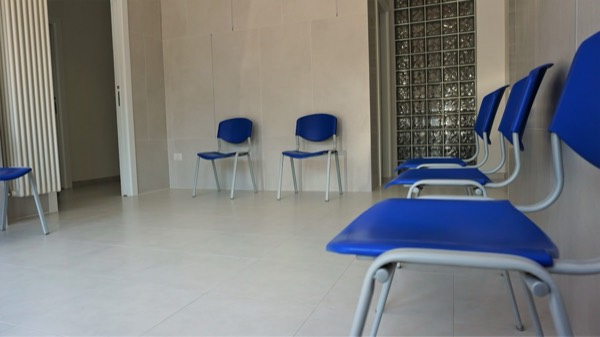
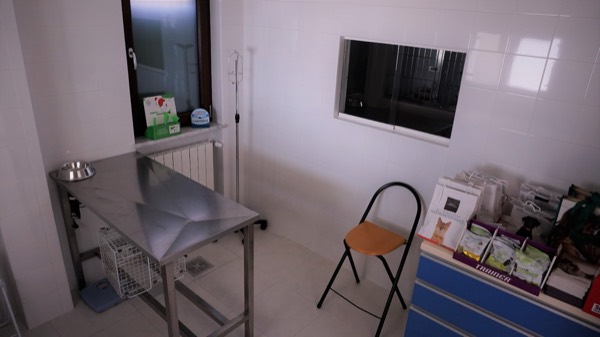
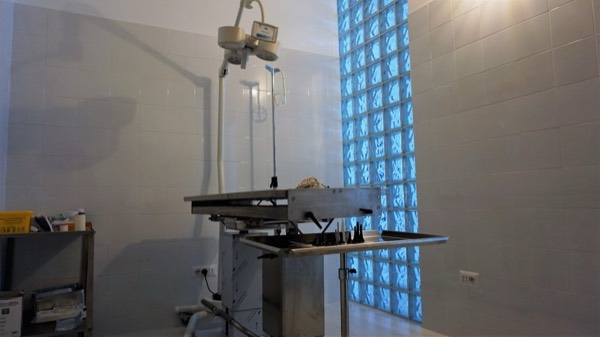
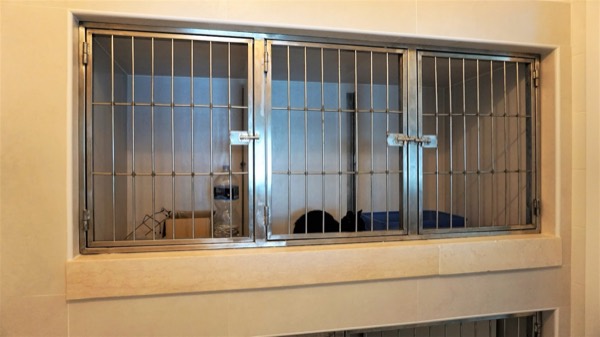
Bright, clean spaces designed to help both pets and people feel at ease.
| Monday – Friday | 9:30 am – 12:00 pm 4:00 – 8:00 pm |
|---|---|
| Saturday and Sunday | Closed I have an emergency |
For emergencies outside opening hours, call +39 333 741 9768.
Choose the service, the day and the free time slot you prefer: your appointment is confirmed straight away. You'll receive a summary email with a link to cancel if your plans change.
Prefer to talk to someone? You can always book by phone, too.
Please don't use online booking for emergencies: call +39 333 741 9768 straight away.
The clinic is closed on Saturdays and Sundays, but Dr. Loparco does his best to look after his patients' emergencies in person: call +39 333 741 9768 and, if needed, he will see you by appointment. The same applies outside opening hours during the week.
Don't wait for it to pass: call straight away if you notice any of these signs.
Holidays, a move abroad, a weekend away: with a little planning you can leave with peace of mind. Here's what you need for dogs, cats and ferrets.
Tip: if it's your first time, start organising at least a month before you leave.
Depending on your destination, the vet will set up a plan of requirements with you: treatments, vaccinations and documents, each with its own timing. Some need to be done days or weeks before departure, and for certain countries outside the European Union even months before, so don't leave it late: talk to us as soon as you decide to travel.
Rules can change: if in doubt, also check with the embassy or consulate of your destination country, or the authority responsible for travelling with animals, for the latest information.
Puppies and kittens not yet vaccinated against rabies can't travel to many countries, including Italy. For non-commercial travel the limit is 5 animals per person.
Every year Cisternino and the Itria Valley welcome many visitors with their dog or cat, including from abroad. The climate and environment, however, can be very different from what your pet is used to. Here's what to know to enjoy your holiday with peace of mind.
In summer temperatures often go above 30 °C. Go out early in the morning and after sunset, always keep fresh water available, and never leave your pet in the car, not even in the shade or for a few minutes. Tarmac, stone and sand can burn paw pads.
Leishmaniasis and heartworm are common in southern Italy. If you come from an area where they are rare, protect your dog before you leave: some repellent parasite treatments take several days to become effective. Ask your own vet for advice.
From May to the end of summer, dry grass seeds (foxtails) can get into ears, nose, eyes and between the toes. After every walk in the grass, check your dog carefully, and if they suddenly shake their head or sneeze, have them seen.
Between late winter and spring, pine processionary caterpillars come down from the trees: if a dog sniffs or licks them, mouth and tongue can be seriously damaged. Keep your dog on a lead near pine trees.
Not all beaches allow pets: check before you go. Don't let them drink seawater, rinse them with fresh water after swimming and find shade during the hottest hours. Light-coloured noses and ears burn easily.
The clinic is in Cisternino and also sees visitors who are just passing through. You can book online, in English too, or call. Bring your pet's health booklet or passport, with vaccinations and current treatments.
For emergencies call +39 333 741 9768 straight away.
A baby bird on the ground, an injured hedgehog, a tortoise on the road, a bird of prey that can't fly: in the Itria Valley countryside it happens often. Here's how to really help, and what's best avoided.
In spring and early summer, young birds with feathers hopping on the ground are often learning to fly, and their parents keep feeding them. Leave them where they are and keep dogs and cats away. Help only if the bird has no feathers, is injured or in danger.
If you find one on the road, move it to the side in the direction it was heading. Don't take it home: Hermann's tortoise is a protected species.
A hedgehog walking around at night is normal. If it's out during the day, staggering, injured or surrounded by flies, it needs help.
Two very different water turtles can live in the canals and ponds near the coast. The head is the quickest way to tell them apart.
This is our native turtle: a dark, low shell, often dotted with yellow, and no coloured patch on the head. Around Brindisi it lives in only a few wetlands, such as the Torre Guaceto reserve. It is rare and protected by the EU Habitats Directive. If it is injured or in danger, call the rescue centre. If it is fine and crossing a road, move it to the side it was heading for: in spring the females leave the water to lay their eggs on land.
It has a red or yellow patch behind each eye and yellow stripes on the neck. For years it was sold as a pet and many were abandoned: in the wild it is now an invasive species that takes food and space away from the native turtle. It must not be released into a pond or kept at home (Italian Legislative Decree 230/2017): call the rescue centre and ask where to hand it in.
What the law says: in Italy wildlife belongs to the State (law 157/1992). It can't be kept at home or treated on your own: it must be handed over to authorised centres.
Contact details checked in November 2026 on the websites of the Puglia Region (Regional Wildlife Observatory), the Province of Brindisi and LIPU: they may change. If you're unsure what to do, you can also call the clinic for initial advice.
Your pet's health booklet or passport, if they have one, and any previous tests, reports or ongoing treatments. Bring dogs on a lead and cats in a carrier: there may be other animals in the waiting room. If your pet has a recurring problem, a photo or video taken on your phone can be very helpful.
The first vaccinations are usually given at around 6–8 weeks of age, with boosters in the following weeks and then at regular intervals throughout life. The right schedule depends on the animal and where it lives: at the first visit the vet will prepare a vaccination plan for you.
It depends on the species, size, sex and lifestyle of the animal. There isn't one age that suits everyone: it's a decision to make together, weighing up benefits and risks during a visit.
Yes, the vet also treats exotic animals. When you book, please mention the species: some visits take longer or need special preparation.
Yes, in Puglia for both dogs and cats. Regional law (L.R. 2/2020) requires them to be microchipped and registered with the pet registry within two months of birth, or within ten days of taking them in, and in any case before giving them away or selling them. Failing to register a dog can lead to a fine of 100 to 600 euros.
The microchip is a tiny capsule, about the size of a grain of rice, placed under the skin of the neck with a simple injection: no anaesthetic is needed. It can be done at the clinic: the vet implants the microchip and registers your pet straight away. The microchip is also needed for the pet passport, required to travel abroad with dogs, cats and ferrets.
After registration, the law requires you to notify the ASL veterinary service in writing of: a change of address or owner within 5 days, loss, theft or recovery within 2 days, and death within 3 days.
By law, pharmacies can only dispense medicines for animals with a veterinary prescription. This also applies to many "human" medicines used for dogs and cats. Without a prescription the pharmacist can't give them to you. In turn, the vet can only prescribe a medicine after assessing the animal: that's why a new treatment usually requires a visit.
Prescriptions also expire: they are only valid for a limited time, which depends on the type of medicine. If you wait too long before going to the pharmacy, it will no longer be valid and you'll need a new one.
No: prescriptions must be collected in person at the clinic and are not sent via WhatsApp, email or other online channels. If you need a medicine your pet already takes, call +39 333 741 9768 first: we'll tell you when to come and pick it up.
Choose the service, the day and a free time slot: your appointment is confirmed straight away and you'll receive a summary email. The same email contains a link to cancel if your plans change. You can always book by phone, too.
Please don't use online booking: call +39 333 741 9768 straight away. Even at weekends the vet does his best to see emergencies by appointment. Here are some examples of situations not to underestimate.
4.9out of 5 · over 120 reviews on Google
People who have visited the clinic talk about kindness, patience and availability, even on public holidays.